
Gold Pan vs Sluice Box: Which One Do You Need?
CoilAndCoin is reader-supported. If you buy through our links we may earn a commission at no extra cost to you. As an Amazon Associate we earn from qualifying purchases. Disclosure.
This is the first real decision most new prospectors face. Here's how the two compare.
Side by side
| Gold pan | Sluice box | |
|---|---|---|
| How it works | You shake; gold sinks; you wash off the rest | Water carries gravel over riffles; gold settles behind them |
| Throughput | About 10 pans/hour for an experienced panner (Alaska DGGS, Chugach guide) | More than a pan; no official figure |
| Fine gold | Takes practice (WA DNR) | Depends on mat, grade and water; check tailings |
| Portability | Fits in a backpack | Compact ones are 24 to 38 in.; folding ones 50 in. (listings) |
| Needs | Any water | Moving water with enough flow |
| Federal rules | Hand panning is casual use on BLM land | Non-motorized sluicing is casual use on BLM; exempt from notice on USFS land |
| State rules | Generally allowed; check local forest rules | Some states limit size (e.g., Washington: 3 sq ft riffle area year-round) |
The case for the pan
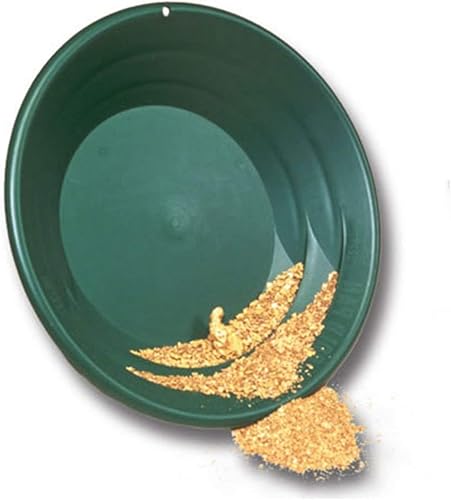
USGS calls the gold pan "versatile, efficient, inexpensive and portable." It's also how you find out whether a spot is worth sluicing in the first place: sample pans tell you where the gold is. Learn the motion in our panning guide.
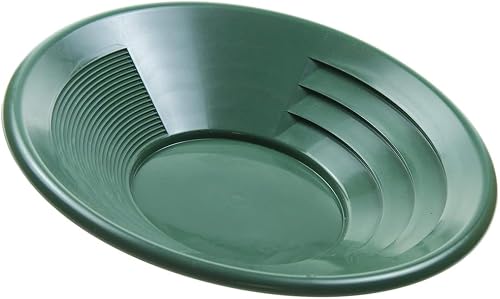
SE 14 in. Dual-Riffle Gold Pan
- 14 in. green plastic pan, per the listing
- Deep 1/4 in. riffles plus micro riffles
- Listed as rust-proof and safe to use with a magnet
Garrett SuperSluice Gold Pan, 15 in.
- 15 in. pan with twin 1/2 in. riffles, per the listing
- Deep throat funnel
- Listed to trap fine gold up to 1 oz. nuggets
The case for the sluice
Once you've found color, a sluice lets you process much more material. Alaska's guide says about 80 percent of the gold should land in the first few feet of riffles when the grade and water are right. Compare models in our sluice box guide.
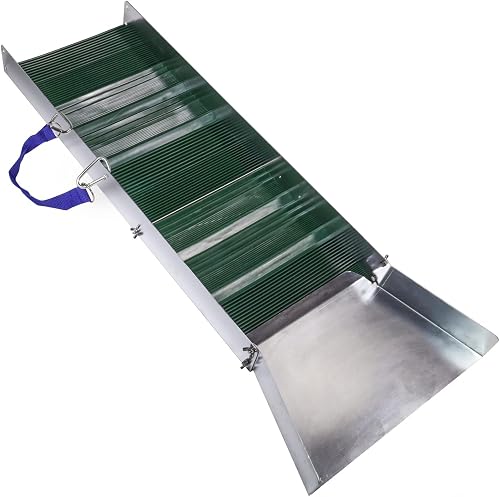
ASR Outdoor 34 in. Aluminum Sluice Box
- 34.5 x 14 x 2.5 in. assembled; 5.2 lb, per the listing
- Rubber TPR mat with Hungarian, V-shaped and square riffles
- 10 in. channel; shoulder strap included
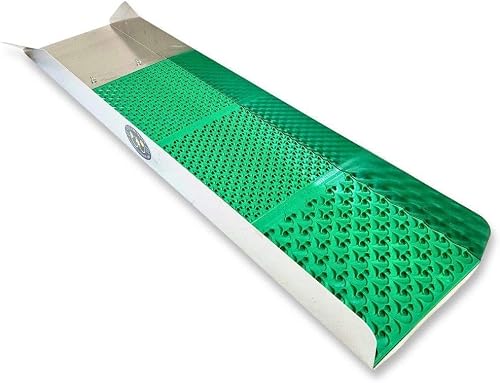
Prospector's Dream 8x38 Compact Combo Sluice
- 8 x 38 in. 16-gauge aluminum, per the listing
- 3-stage Dredge Dream Mat
- Wing nut clamp holds the mat down; sized for a backpack
Or get both
Kits like the VEVOR 50 inch sluice kit bundle a sluice with pans, classifier screens and a magnet, per the listing.
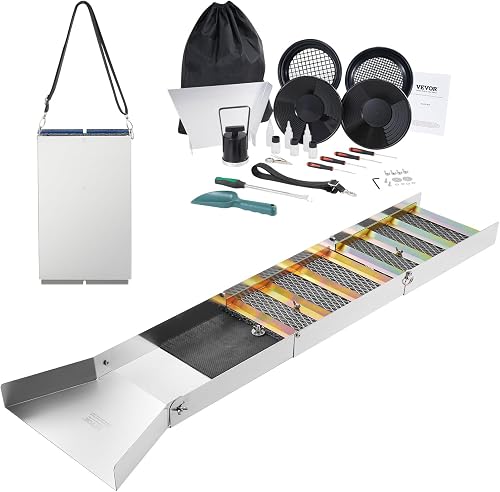
VEVOR 50 in. Sluice Box Gold Panning Kit
- 50 in. folding aluminum sluice with miner's moss, per the listing
- 23 pieces: 2 pans, 2 classifier screens, magnet, snuffer bottles, vials, scoop and more
- Carry bag with shoulder straps
This isn't legal advice. Check federal, state and claim rules for your spot. See where to find gold.
FAQ
Pan or sluice first?
Pan first.
How fast can you pan?
About 10 pans an hour, experienced.
Permit for a sluice?
Often not federally, but states vary.