
Gold Prospecting Tools Beyond the Pan
CoilAndCoin is reader-supported. If you buy through our links we may earn a commission at no extra cost to you. As an Amazon Associate we earn from qualifying purchases. Disclosure.
A pan gets you started. These small tools are what make an afternoon on the creek productive. All descriptions come from the product listings; the "why" comes from state and federal guides.
Classifiers
Screening gravel before you pan saves a lot of work. The Chugach guide uses a grizzly with 1/2 inch holes over the pan, and says to check the oversized rocks for nuggets before tossing them. A stack of finer screens lets you sort material further for a sluice or concentrator.
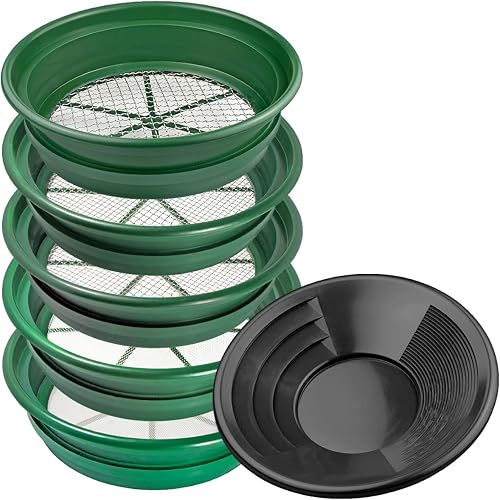
6-Piece Classifier Set with 12 in. Pan
- Five classifiers: 1/2, 1/4, 1/8, 1/12 and 1/20 in. mesh, per the listing
- 12 in. dual-riffle pan
- Classifiers sit on a 5-gallon bucket (bucket not included)
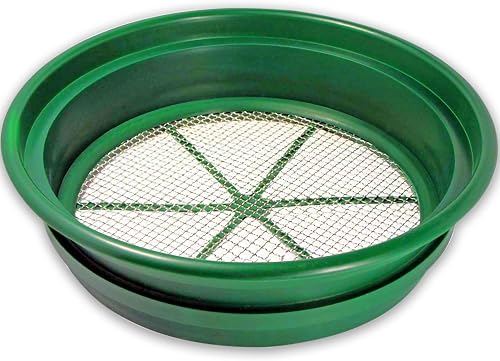
SE 13.25 in. Stackable Classifier, 1/8 in. Mesh
- Stainless steel 1/8 in. mesh, per the listing
- Stacks with SE's other classifiers
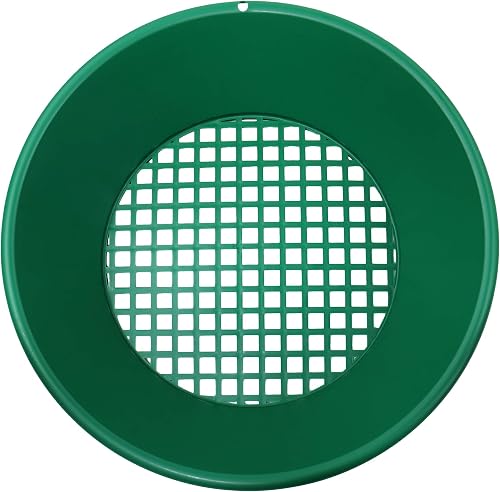
Garrett 14 in. Classifier (1650200)
- Garrett 14 in. classifier screen, per the title
Black sand magnets
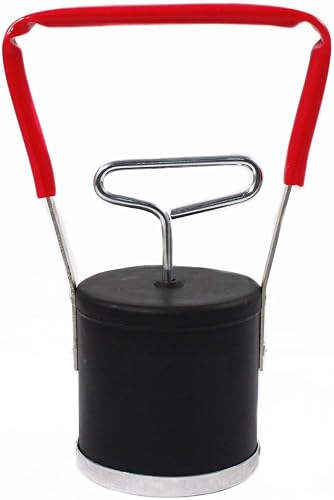
USGS says magnetite is the most common mineral in black sands. New Mexico's Bureau of Geology suggests putting your magnet in a plastic bag so you don't have to scrape it clean, and Alaska's guide says to dry the concentrate first. A pocket pen magnet handles a pan's worth; a bigger squeeze-release magnet speeds up larger batches.
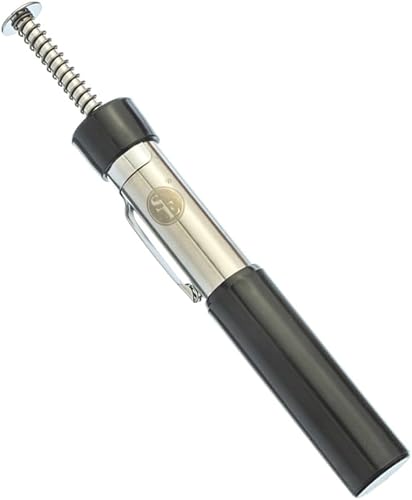
SE Pocket Magnetic Separator Pen (5 lb)
- Pocket magnet, 5 lb pull, per the listing
- Stainless steel; listed as rust- and water-resistant
ASR Outdoor 16 lb Black Sand Magnet
- 4 in. magnetic surface; up to 16 lb pull, per the listing
- Quick-release squeeze handle
- 0.55 lb
Crevice tools and snipers
The Chugach guide says bedrock crevices act as natural riffles that collect gold. A crevice tool reaches into the cracks; a sniper sucks up material underwater.
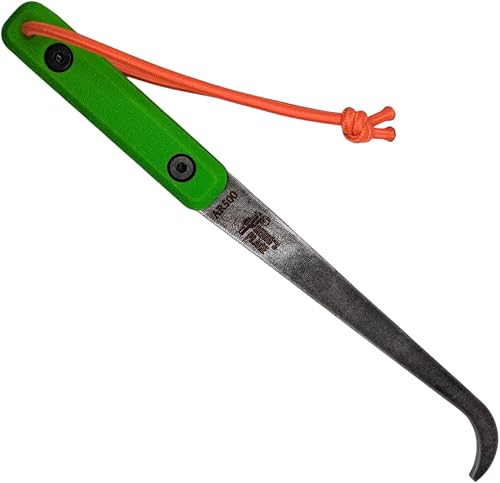
Sedig's Place 12 in. Crevice Tool
- 12 in. AR500 steel blade, per the listing
- High-visibility PETG handle
- Stretchy lanyard
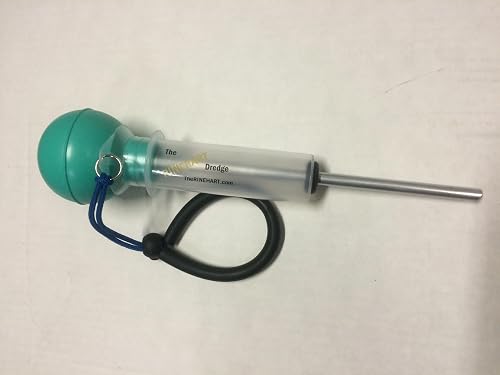
Rinehart Gold Prospecting Sniper
- Underwater gold sniping and recovery tool, per the listing
- Can double as a snuffer bottle
- Wrist strap lanyard
Vials and a loupe
The Chugach guide says to store gold in a water-filled vial. A 10x loupe helps you check whether a flake is gold or one of the look-alikes the guide warns about, like pyrite and mica.
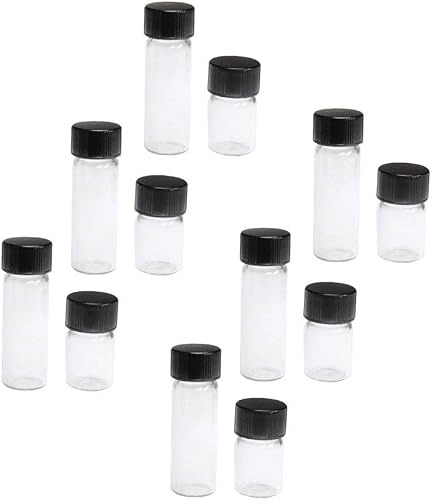
ASR Outdoor Glass Gold Vials (12)
- 12 glass vials: six 3/4 dram and six 1 dram, per the listing
- Screw caps with water-tight seal
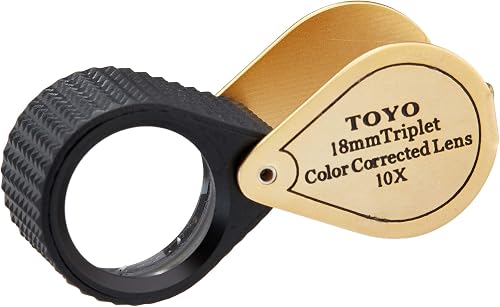
Toyo 10x Jeweler's Loupe
- 10x magnification, 18 mm triplet lens, per the listing
Dry washers
No water? A dry washer separates gold using air instead. Forest Service rules (36 CFR 228.4) list battery-operated dry washers among activities that don't need a notice of intent, though the National Forests in North Carolina require a permit for dry washing equipment, so check your forest. The Royal Explorer is listed at 20 pounds with an enclosed hopper; a hose isn't included.
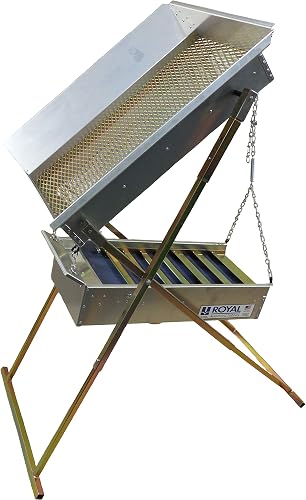
Royal Explorer Dry Washer
- Dry washer, 38.5 in. tall, 20 lb, per the listing
- Enclosed hopper with 3 feed angles
- No-tool breakdown; 3 in. hose not included
Books
A field guide is cheap and goes deeper than any web page.
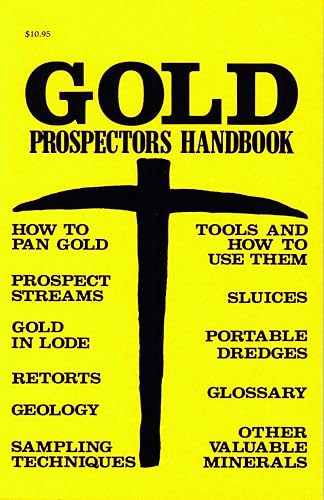
Gold Prospectors Handbook (book)
- Book covering where to look, stream flow, panning and tools, per the description
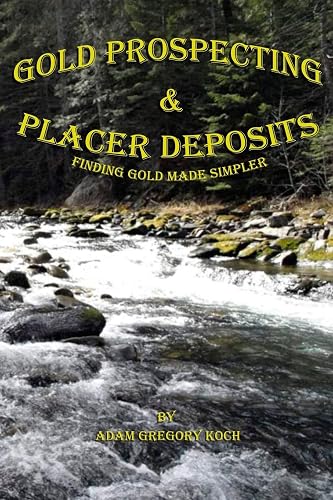
Gold Prospecting & Placer Deposits (book)
- Book on placer deposits and finding gold, per the description
Putting it all together: how to pan for gold, sluice boxes and where to find gold.
FAQ
What's a classifier for?
Screening out rocks before panning.
Why a magnet?
To pull magnetite out of black sand.
Where does a crevice tool go?
Bedrock cracks, which act as natural riffles.