
Metal Detecting for Beginners: How to Swing, Pinpoint and Dig
CoilAndCoin is reader-supported. If you buy through our links we may earn a commission at no extra cost to you. As an Amazon Associate we earn from qualifying purchases. Disclosure.
Detecting is easy to start and takes practice to get good at. Here's the technique the manufacturers teach, in order.
1. Know where you can go
Before anything else: no detecting in national parks, rules vary on other public land, and private land needs permission. Garrett's tips say to follow local laws and get the property owner's permission. Full rundown in metal detecting laws.
This isn't legal advice. Rules vary by agency and location, so confirm with the land manager before you dig or pan.
2. Set up
- Ground balance. Minelab says it filters out signals from the ground's natural minerals, which can otherwise weaken or alter real target signals. Many detectors do it automatically; some let you set it manually.
- Sensitivity. Garrett says higher sensitivity helps find deeper targets but may increase interference from minerals in the soil. If the detector chatters, turn it down.
- Discrimination. Minelab compares it to muting notifications: silence metals you don't want, like bottle caps.
3. Swing (Garrett's tips)
- Slow and steady. Moving too fast can make you miss deeper targets.
- Low and parallel. Keep the coil just above the surface to maximize depth.
- Overlap. Each swing should slightly overlap the last so you don't leave gaps.
4. Read the signal
Minelab says detectors assign a Target ID by measuring conductivity and magnetic properties. Scales differ by brand (Garrett's ACE 400 uses 0-99; Minelab's Vanquish uses -19 to 40 on its spec page), so learn your own machine's numbers by testing coins you know. On depth, Minelab says coin-sized targets are typically found 6 to 12 inches deep in optimal conditions with high-performance detectors, and that soil, target size and type, and technology all affect it.
5. Pinpoint and dig
- Pinpoint. Garrett's manual says accurate pinpointing lets you recover targets quickly while digging the smallest hole possible. Use your detector's pinpoint mode, then a handheld pinpointer.
- Dig small. Use a hand digger on grass; the FMDAC code says a shovel isn't appropriate there. See digging tools.
- Refill and clean up. Garrett's code: "I will always fill the holes I dig," and carry out trash and dug targets.
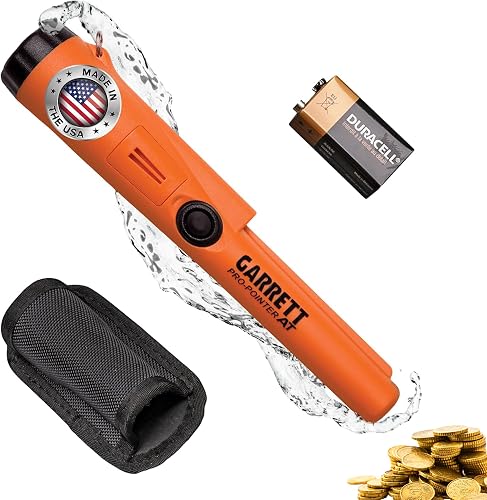
Garrett Pro-Pointer AT
- Submersible to 20 ft, per the listing
- 3 sensitivity levels; fast retune
- One-button control; stealth mode
- Molded inch/cm ruler; lanyard loop
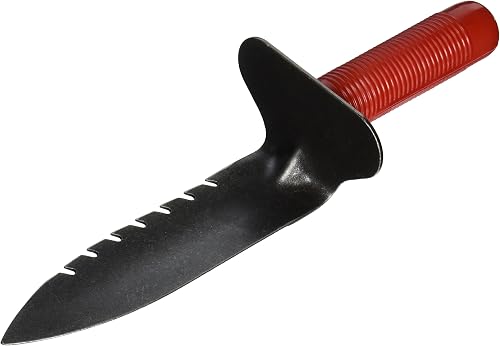
Lesche Digging Tool & Sod Cutter
- 7 in. blade, 1-3/4 in. wide; right side serrated, per the listing
- Belt holder included
- Made in the USA
6. Good places to practice
Garrett calls dry beach sand one of the best spots for beginners, because it's the most stable part of the beach. Check local beach rules first.
Your first kit
A beginner detector, a pinpointer, a digger and a pouch. Compare detectors in our beginner detector guide.
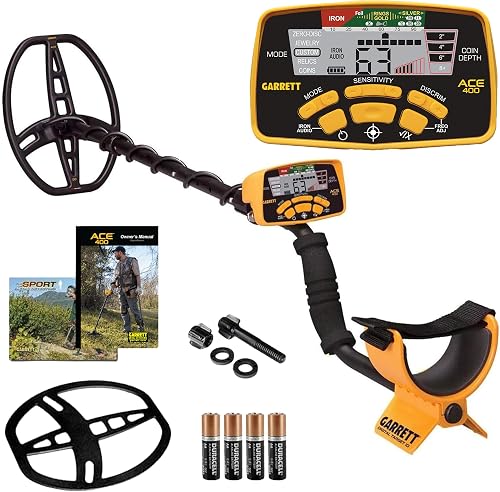
Garrett ACE 400 Metal Detector
- Digital Target ID, 0-99 scale, per the listing
- Iron Audio to hear iron before you dig
- Electronic pinpointing; adjustable frequency
- Searchcoil cover included
FAQ
How do I swing?
Low, slow and overlapping, per Garrett.
How deep can it find coins?
6 to 12 inches in optimal conditions, per Minelab.
What is ground balance?
Filtering out the ground's mineral signals.