
How to Clean Old Coins: What PCGS, NGC and the ANA Say First
CoilAndCoin is reader-supported. If you buy through our links we may earn a commission at no extra cost to you. As an Amazon Associate we earn from qualifying purchases. Disclosure.
Dirty coins tempt everyone. But the experts who grade and value coins are unusually blunt about cleaning. Here's what they say, and the gentle options for everyday finds.
What the coin experts say
- PCGS: "DO NOT CLEAN YOUR COINS." Abrasive cleaning with a brush and acid or alcohol can leave hairlines, and the coin comes back graded "Genuine-Cleaned," which PCGS says will certainly devalue it.
- NGC: improper cleaning forcibly removes surface metal, and that metal cannot be replaced. Damaged coins trade at a diminished premium.
- ANA: improperly cleaned coins often lose value, sometimes by more than half. It names wire brushing, over-dipping and rubbing with an abrasive cloth as damaging.
Step one is to identify and document it
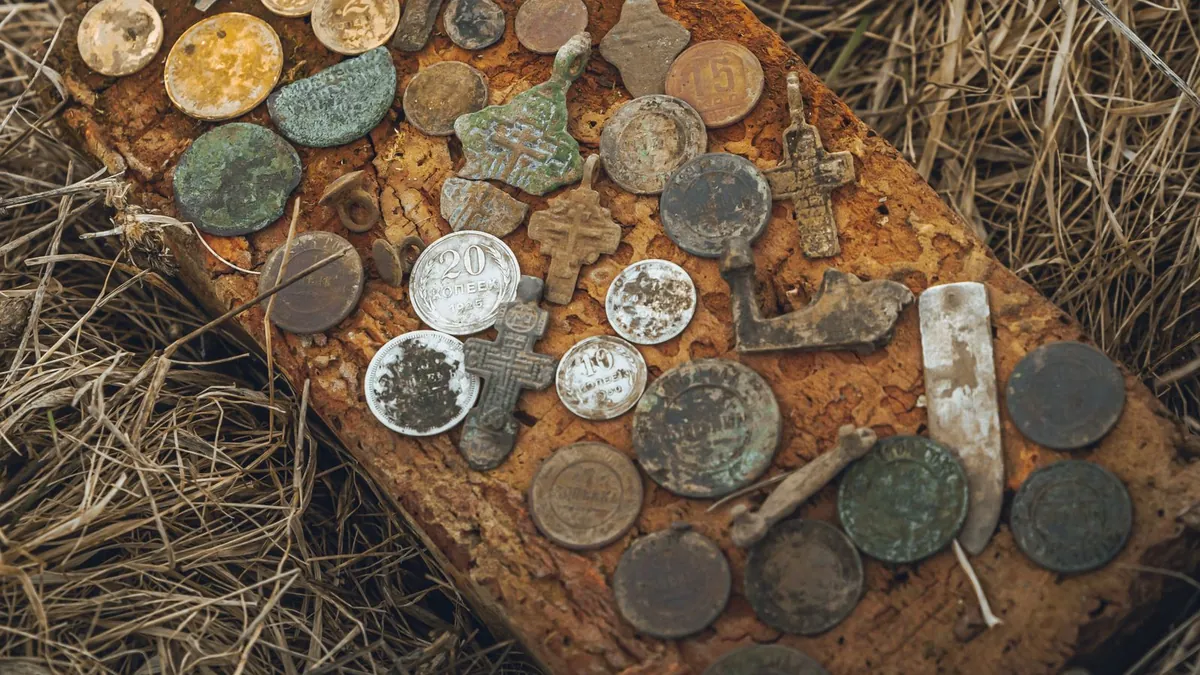
Minelab's gentle methods are only for items of little to no historic or monetary value, and you can't know that about a crusty coin straight out of the ground. So do this first, with the coin still dirty:
- Photograph both sides as found, in good light, before you rinse or touch the surface.
- Write down where and when you found it and how deep. Put the coin in its own flip with that note.
- Try to identify it from what you can see: country, date, denomination, metal. A dry soft brush on loose dirt is fine; don't scrub.
- If you can't identify it, or it's silver, gold, very old or from a historic site, stop. Treat it as possibly valuable or significant and ask a professional (a coin dealer, a grading service, or a local coin club) before cleaning. If it came from public land, check the collecting rules before you keep it at all.
Only when you're confident it's a common, low-value coin do the methods below apply.
Gentle care for low-value finds (Minelab)
Minelab's tips come with a warning: if you have a coin of true rarity, consult a professional first. These methods are only for common items of little to no historic or monetary value.
- Silver: don't rub off the soil; it scratches the coin. Rinse the surface clean with water.
- Copper: soak in olive oil for a few days, wiping off the crud, then work gently with a wooden toothpick.
- Nickels: Minelab describes an abrasive pad method only for nickels and warns it destroys other coins; Minelab says it must never be used on silver “war nickels” made during World War II. Given the risk, we'd skip it.
Storing coins
Unplasticized 2x2 double-pocket flips are listed for medium to long term storage. Label the flip with where and when you found the coin.

2x2 Double-Pocket Unplasticized Coin Flips (100)
- 100 unplasticized 2x2 double-pocket flips
- Listed for medium to long term storage
Old finds and the law
On federal land, items 100 or more years old can be protected archaeological resources, and some agencies (BLM Nevada, for example) don't allow collecting coins over 100 years old. See metal detecting laws.
FAQ
Does cleaning reduce value?
Often, per the ANA, PCGS and NGC.
How do I clean a common find?
Photograph it and identify it first. If it's truly common: rinse, don't rub; olive oil soak for copper, per Minelab.
Electrolysis?
Not as a DIY method.