
Metal Detectors for Gold: What Frequency Means and Models Compared
CoilAndCoin is reader-supported. If you buy through our links we may earn a commission at no extra cost to you. As an Amazon Associate we earn from qualifying purchases. Disclosure.
Gold prospecting with a detector is different from coin shooting: targets are often small, and the ground can be mineralized. Here's what the makers say and how the gold-focused models compare. We haven't tested them.
Why frequency and ground balance matter
- Frequency. Garrett says high frequencies are better at small or delicate, lower-conductivity targets; low frequencies do better at depth and with highly conductive metal.
- Mineralization. Minelab says strong mineralization can weaken or alter signals from real metal, and that ground balance filters out signals from the ground itself.
- Pulse induction. Garrett says PI detectors give up discrimination for depth in mineralized soils. See VLF vs PI.
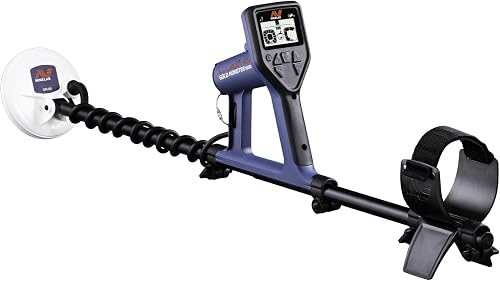
Minelab Gold Monster 1000
A 45 kHz VLF with automatic ground balance, noise canceling and sensitivity, a gold chance indicator, and Gold and Deep all-metal modes, per the listing. Minelab's spec page for the 5 inch package lists a coil waterproof to 1 m (3.3 ft) with a splash- and rain-proof detector, 2.94 pounds.
Minelab Gold Monster 1000 (5 in. coil)
- 45 kHz VLF, per the listing
- Automatic ground balance, noise canceling and sensitivity
- Gold chance indicator; Gold and Deep all-metal modes
- Waterproof coil (Minelab: 1 m / 3.3 ft); headphones not included
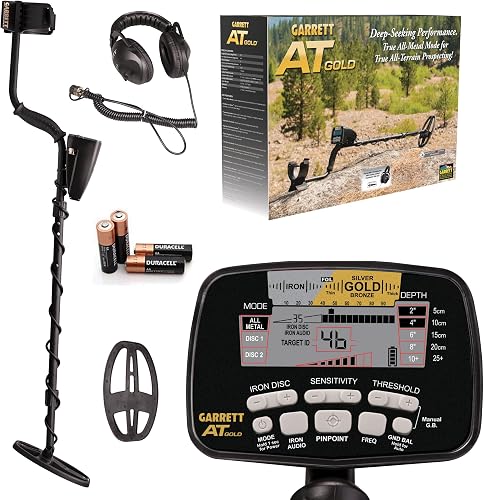
Garrett AT Gold
18 kHz, True All Metal mode, Iron Audio, manual and automatic ground balance, submersible to 10 feet, per the listing.
Garrett AT Gold
- 18 kHz operating frequency, per the listing
- True All Metal mode; Iron Audio
- Manual and automatic ground balance
- Submersible to 10 ft
All-rounders with gold modes
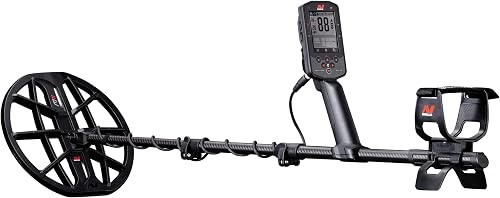
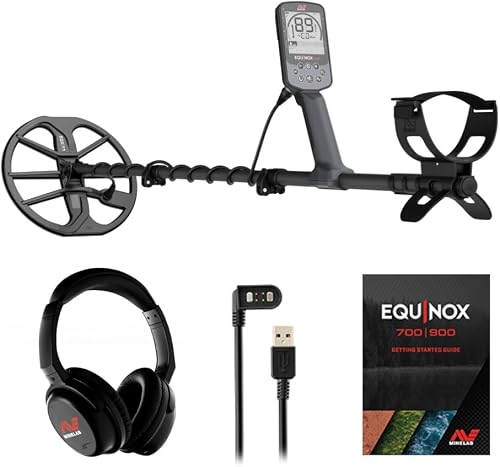
Minelab lists the Manticore at 5 to 40 kHz Multi-IQ+, and its listing includes a Goldfield mode. The Equinox 900 listing includes a Gold mode.
Minelab Manticore
- Multi-IQ+ simultaneous multi-frequency, per the listing
- 2D Target ID map
- 10 search modes including Beach and Goldfield
- Waterproof to 16 ft (IP68); 11 in. DD coil; folds to 24.8 in.
Minelab Equinox 900
- Multi-IQ simultaneous multi-frequency, or 6 single frequencies, per the listing
- Waterproof and submersible to 16 ft (5 m)
- Park, Field, Beach and Gold modes; 119-point Target ID
- EQX 11 in. and 6 in. DD coils; wireless headphones; 2.8 lb
Before you prospect
- BLM land: 43 CFR 3809.5 counts metal detectors and hand panning as casual use. BLM Nevada says gold and silver may be prospected with hand tools including pans and detectors.
- Mining claims: BLM Nevada says minerals found on mining claims belong to the claim holder. The Forest Service says to search county and BLM records first.
- Forest Service: rules vary by forest; call the ranger district.
Full details in metal detecting laws. Pairing a detector with a pan? See our gold panning guide.
This isn't legal advice. Rules vary by agency and location, so confirm with the land manager before you dig or pan.
Stepping up: pulse induction and 48 kHz
For heavily mineralized ground, there's pulse induction. Garrett says PI detectors give up discrimination for depth in mineralized soil. Two PI options are Garrett's Axiom and Minelab's GPX 6000, and Garrett also sells the 48 kHz Goldmaster 24k.
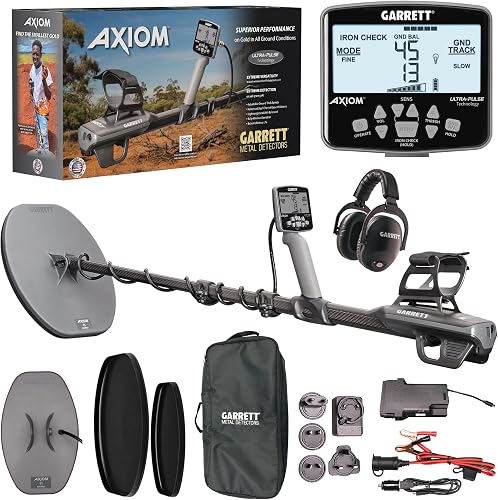
Garrett Axiom
- Pulse induction gold detector, per the listing
- 13x11 in. DD and 11x7 in. mono coils; wireless headphones
- Terra-Scan ground balance; Iron Check with DD-FC coil
- 4.2 lb with 11 in. coil; up to 16 hours battery
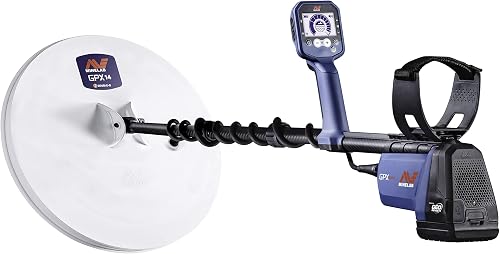
Minelab GPX 6000 (2-coil package)
- GeoSense-PI pulse induction, per the listing
- 11 in. monoloop and 14 in. DD waterproof coils
- Automatic ground balance
- 4.6 lb; 3-year warranty
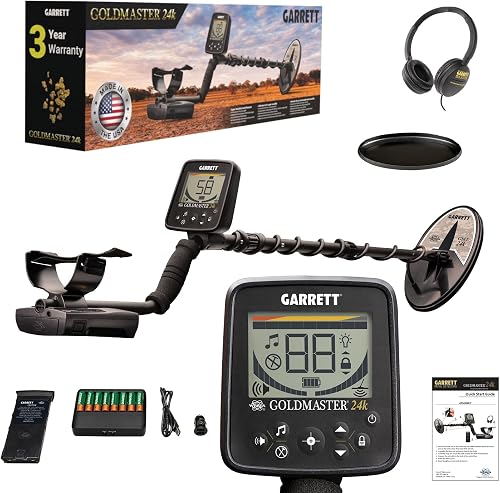
Garrett Goldmaster 24k
- 48 kHz gold detector, per the title
- Wired headphones included; made in USA (title)
Compare them head to head: GPX 6000 vs Axiom and Gold Monster 1000 vs AT Gold. Then read where to find gold and pick up a pan: how to pan for gold.
FAQ
Which frequency for gold?
Higher frequencies help with small gold, per Garrett.
Do I need permission?
Check for mining claims and the land manager's rules.
Can a regular detector find gold?
Some all-purpose models have gold modes.